Patient Registry
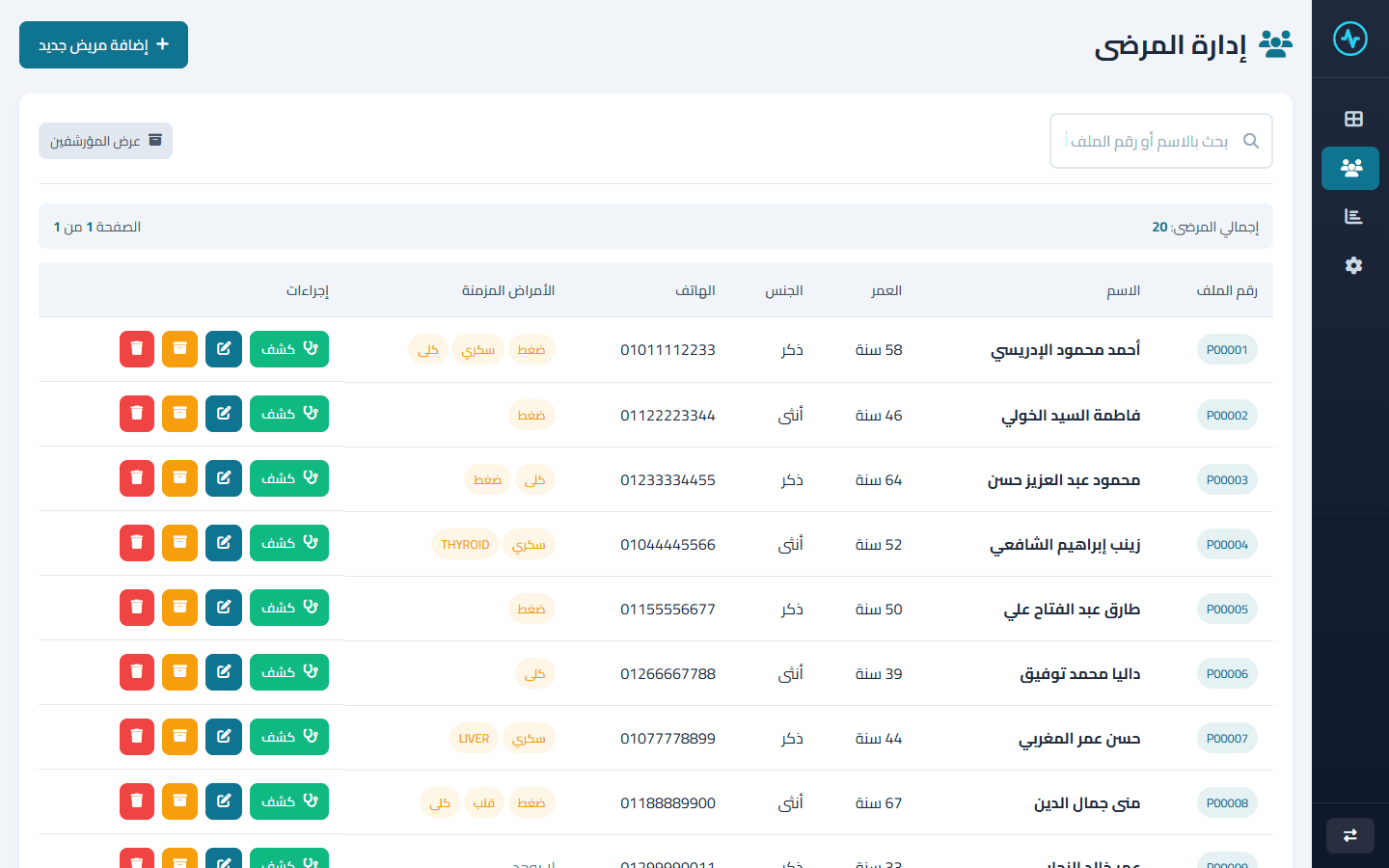
Centralized patient records with demographics, contact information, chronic conditions and rapid access to the clinical workflow.
A longitudinal clinical management platform built to connect patient records, structured clinical encounters, chronic disease tracking, investigations, prescriptions and operational reporting.
Outpatient internal medicine requires more than storing patient names. Each visit adds observations, diagnoses, medications, chronic-disease information and follow-up context that must remain connected to the patient over time.
Maintaining a longitudinal medical record across repeated outpatient visits
Keeping vital signs, examination findings and diagnoses connected to each encounter
Tracking chronic conditions such as CKD, hypertension and diabetes over time
Organizing medications and prescriptions alongside the clinical history
Providing fast access to previous visits during a new examination
Representing diagnoses using structured ICD-10 codes
Managing laboratory and investigation information within the patient workflow
Producing useful clinic-level operational statistics and reports
The system organizes outpatient clinical work around a longitudinal patient record, connecting each new encounter with the information recorded during previous visits.
Centralized patient records with demographics, contact information, chronic conditions and rapid access to the clinical workflow.
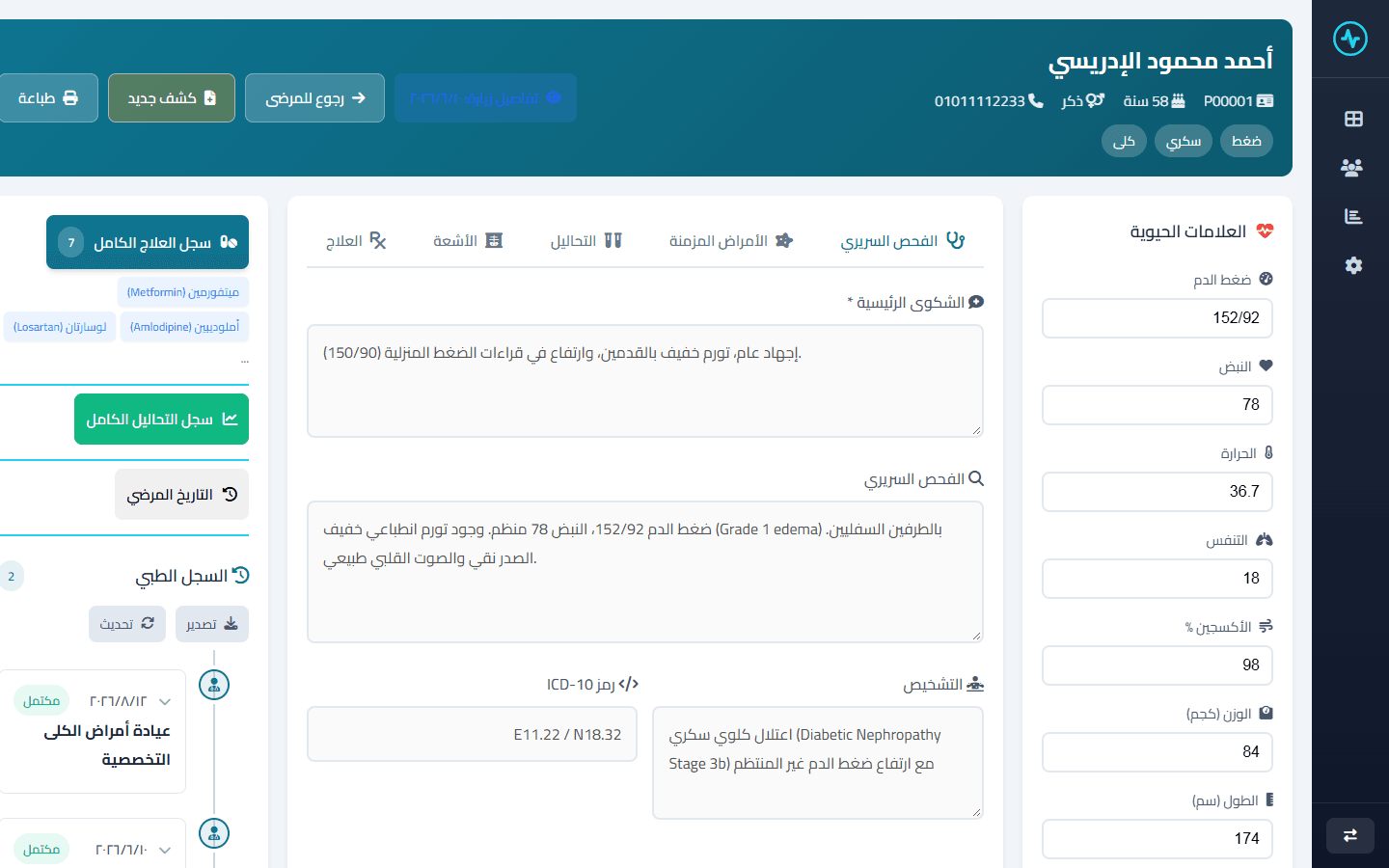
Clinical encounters combine complaints, examination findings, vital signs, diagnoses and follow-up information in one workspace.
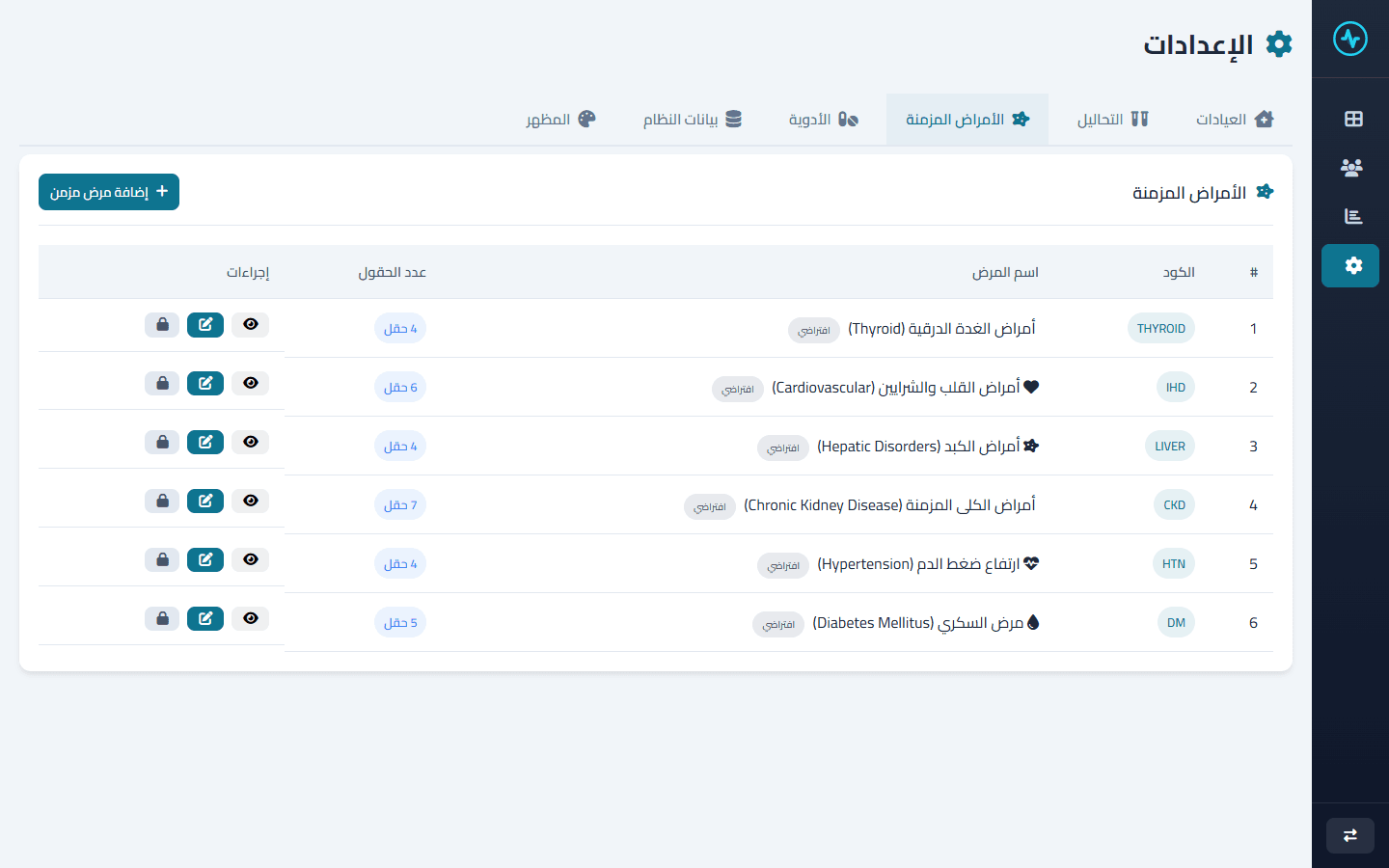
Domain-specific fields support longitudinal tracking of conditions including chronic kidney disease, hypertension and diabetes.
Previous visits remain accessible as a longitudinal timeline, helping preserve continuity between encounters.
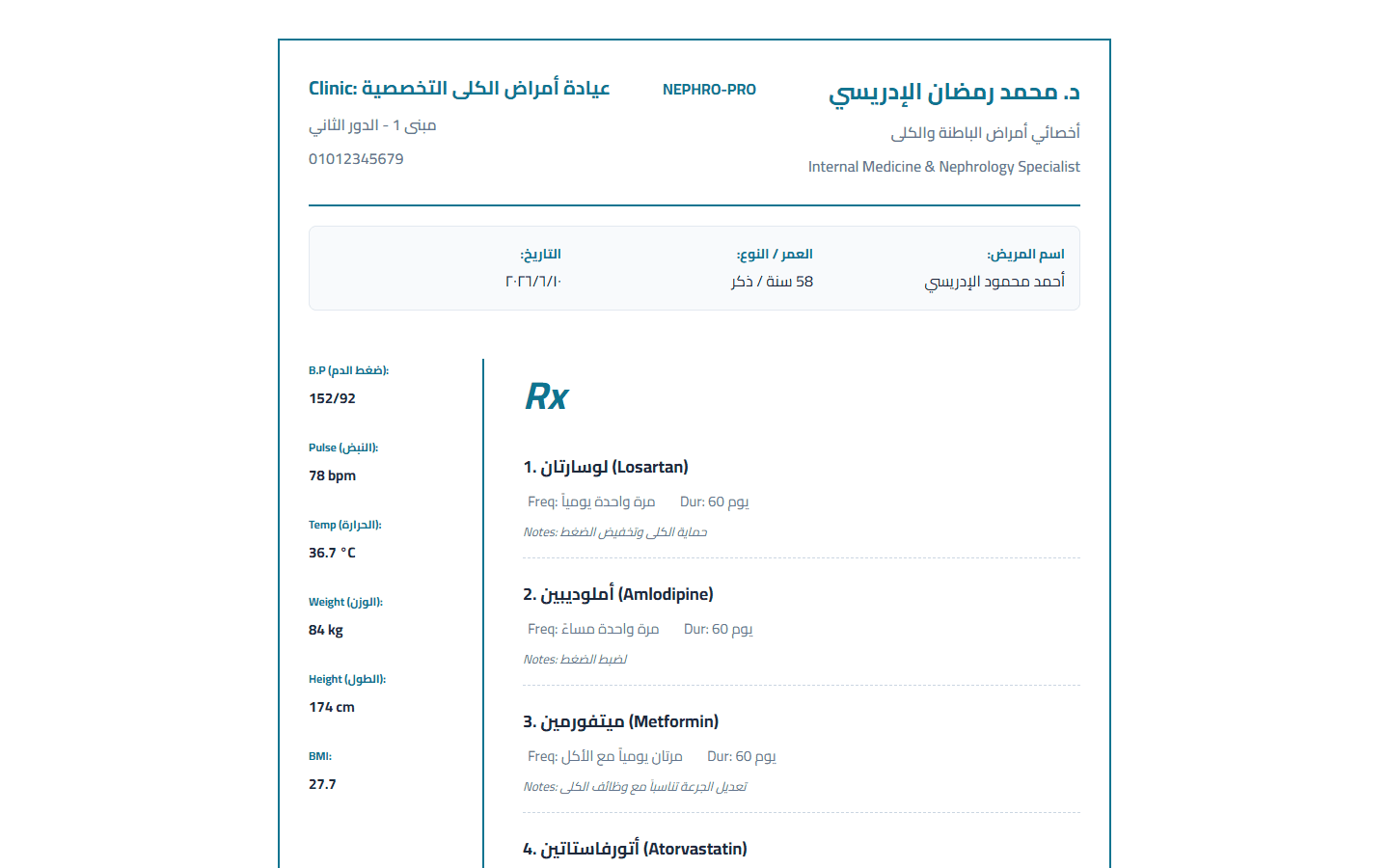
Structured medication records feed into a printable bilingual prescription designed for outpatient clinical use.
Clinic-level reporting summarizes patients, visits, common diagnoses and chronic disease distribution.
The patient registry provides a searchable operational view of the clinic population while keeping chronic conditions visible before entering the examination workflow.
Each examination brings the essential clinical context into a single screen: vital signs, chief complaint, examination, diagnosis and ICD-10 coding alongside the patient's existing medical record.
Instead of reducing chronic disease history to free-text notes, the workflow provides structured disease-specific information. For nephrology patients, this includes CKD stage, recent creatinine, eGFR and underlying cause where recorded.
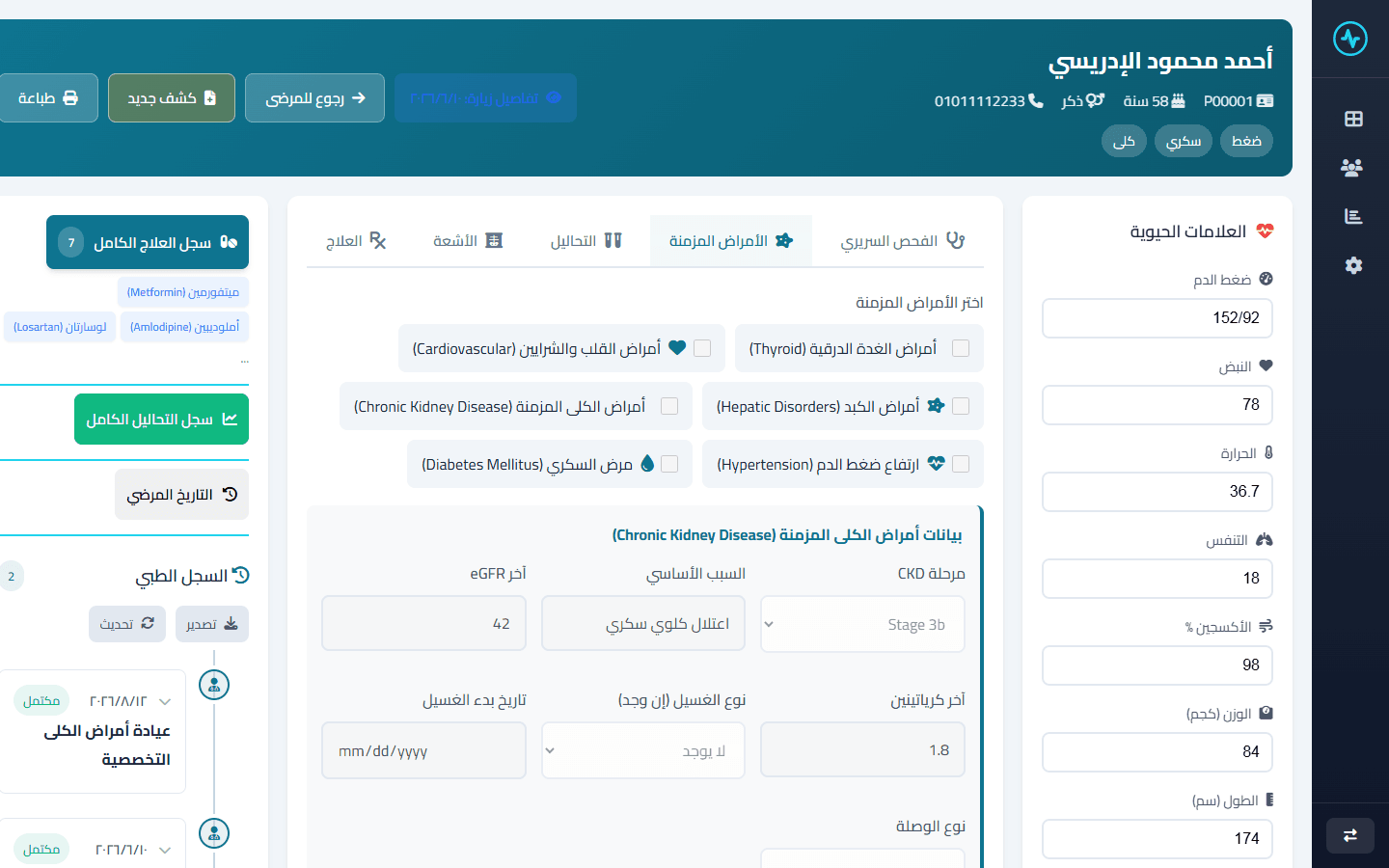
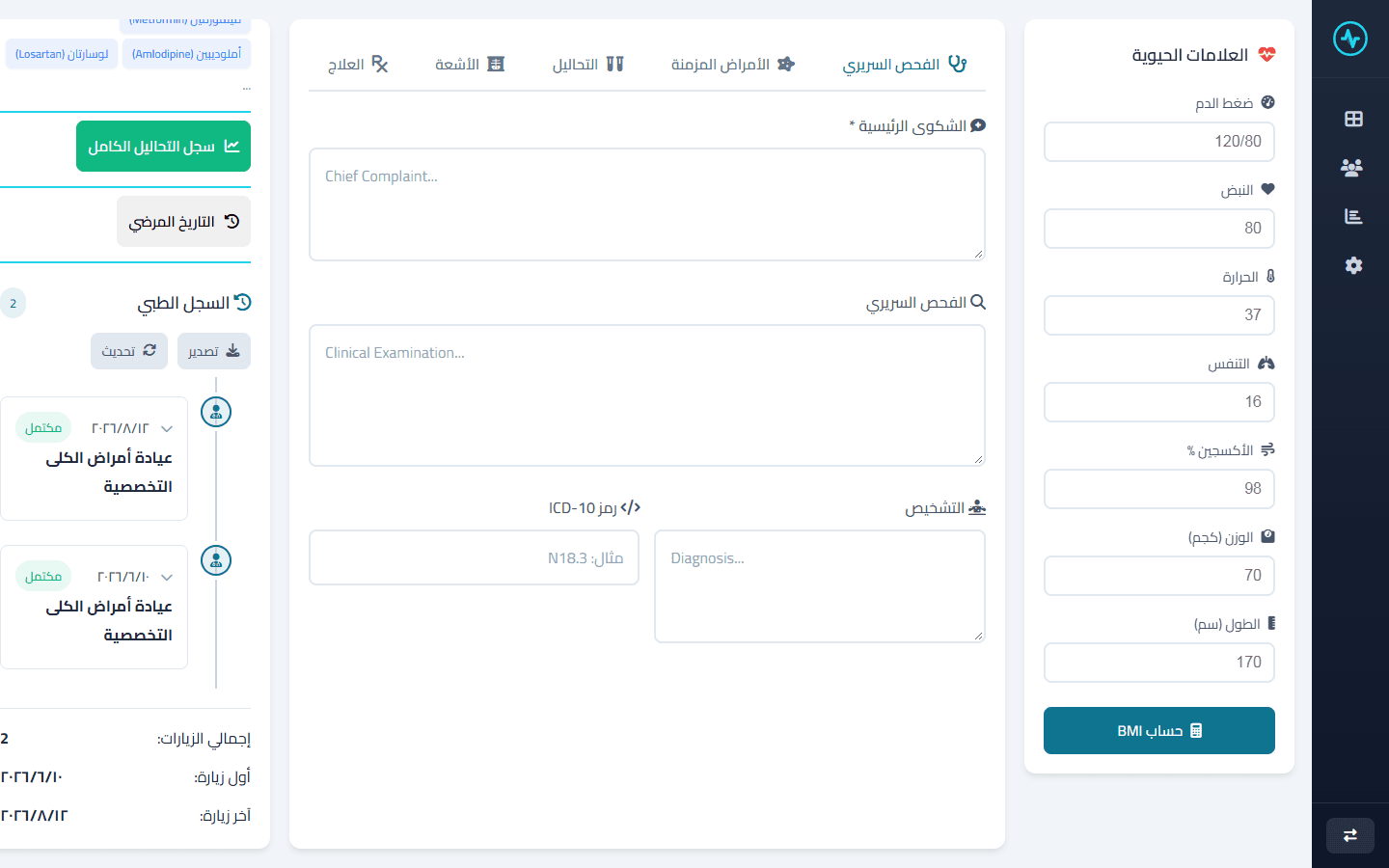
Previous encounters remain attached to the patient record, allowing clinicians to move between the current examination and earlier visits without fragmenting the clinical history.
Prescribed medications are presented in a dedicated printable prescription layout containing patient information, vital measurements, medication instructions and clinic information.
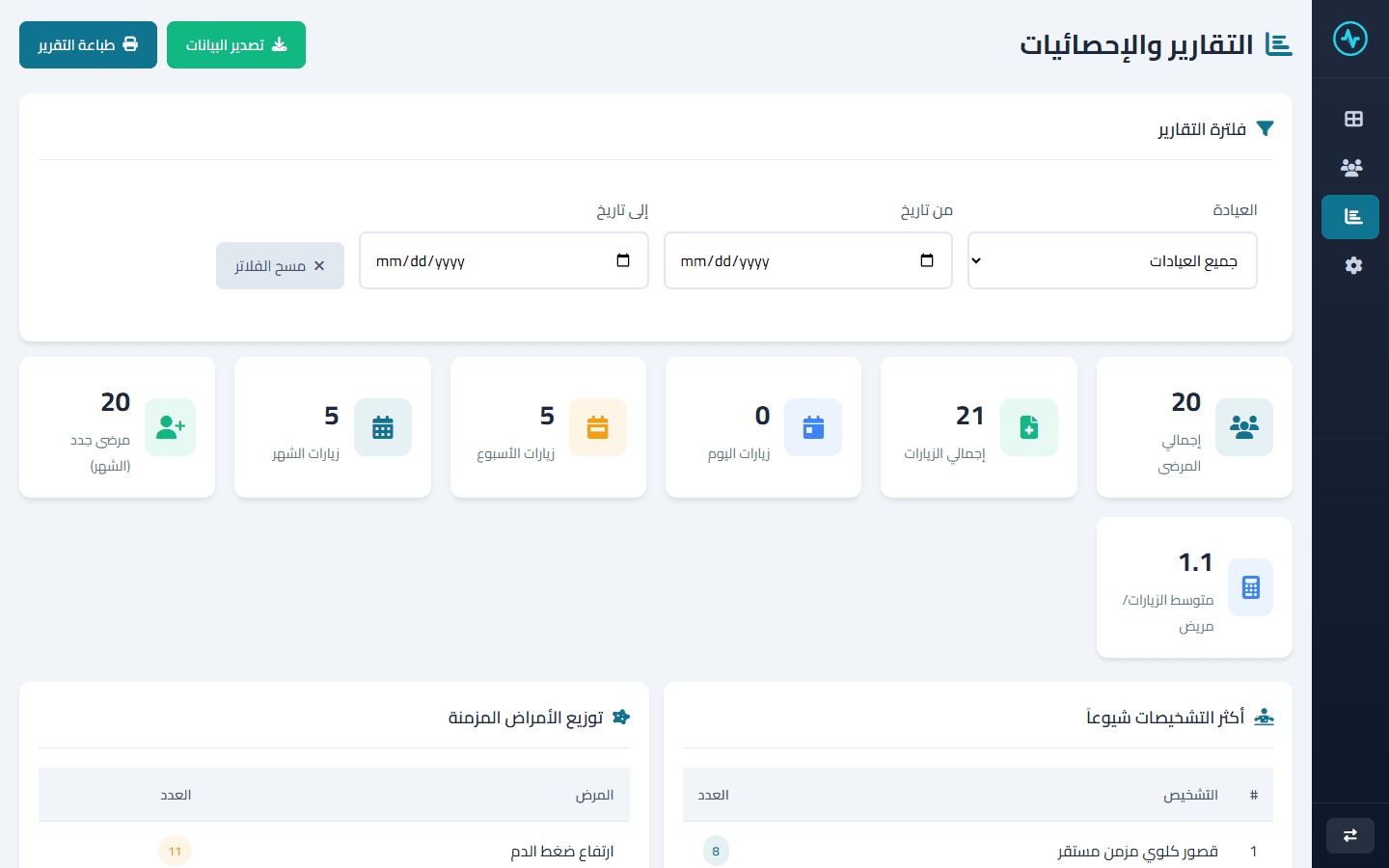
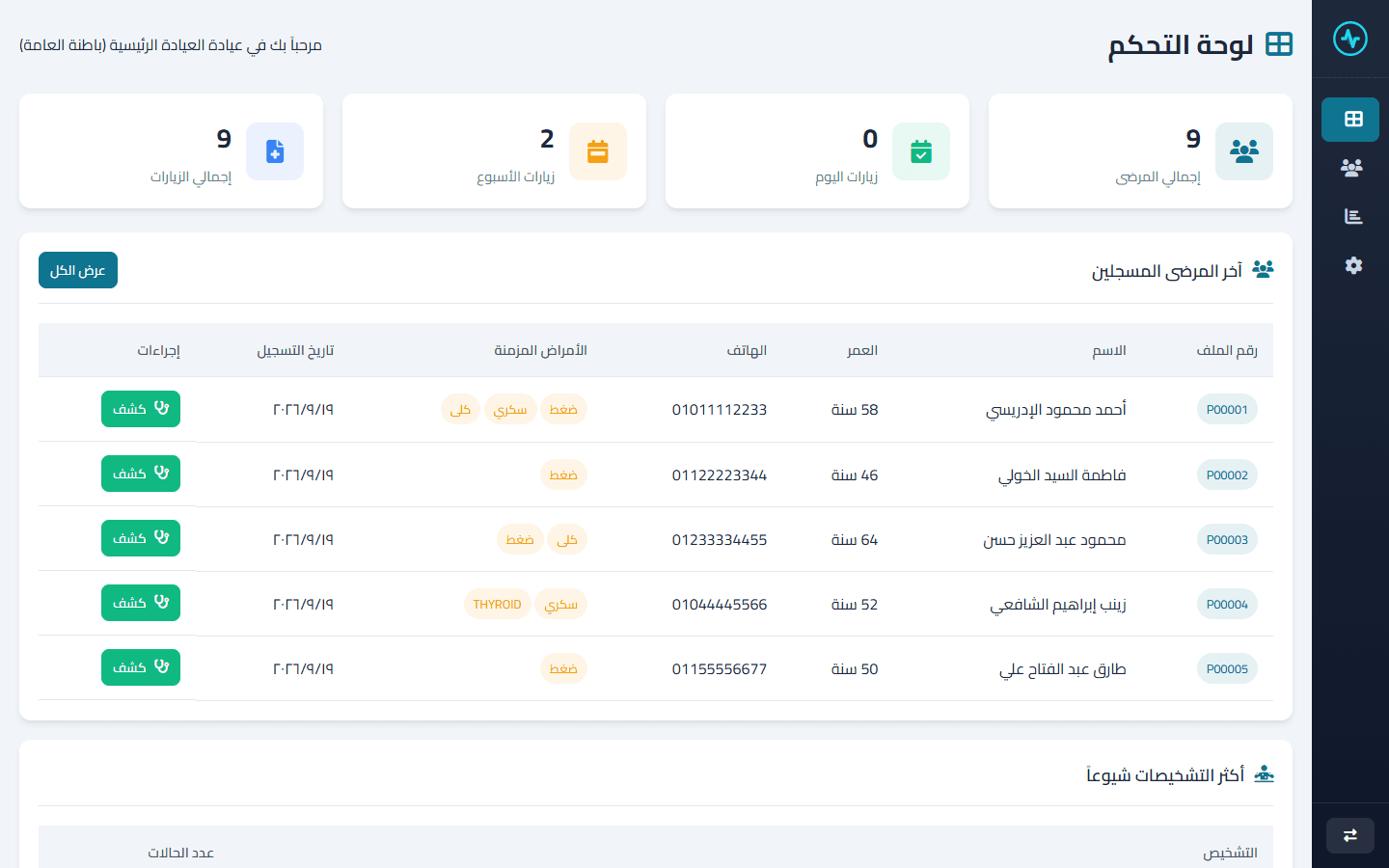
Reporting turns accumulated clinic data into an operational overview covering patient counts, visit activity, common diagnoses and chronic disease distribution.
A lightweight web architecture keeps the application practical for local outpatient operations while maintaining clear separation between interface, server logic and persistent clinical data.
Encounters, chronic conditions, investigations and prescriptions remain connected to the longitudinal patient record.
The interface reflects outpatient internal medicine and nephrology workflows rather than a generic CRUD administration pattern.
SQLite provides lightweight local persistence suited to the current clinic deployment model.
The core engineering challenge is preserving clinical context while keeping repeated outpatient workflows fast enough for everyday use.
Patient information has to remain stable while new visits, diagnoses and treatment information continue to accumulate.
Clinical documentation requires flexibility for narrative examination notes while preserving structured values where they support tracking and reporting.
Vital signs, history, diagnosis, disease-specific information and treatment need to coexist without forcing the user through disconnected screens.